Before you visit Shiraz, you may like to know more about its background history and culture. Here is a brief review of what has been happening at this city:
Cuneiform inscriptions from Elamites dynasty show the name of Shiraz has been mentioned around 2000 BC. There are more indications of life in and around Shiraz according to the unearthed findings from the historical mounds at this part of Iran. Some of them even go back to 7000 years ago.
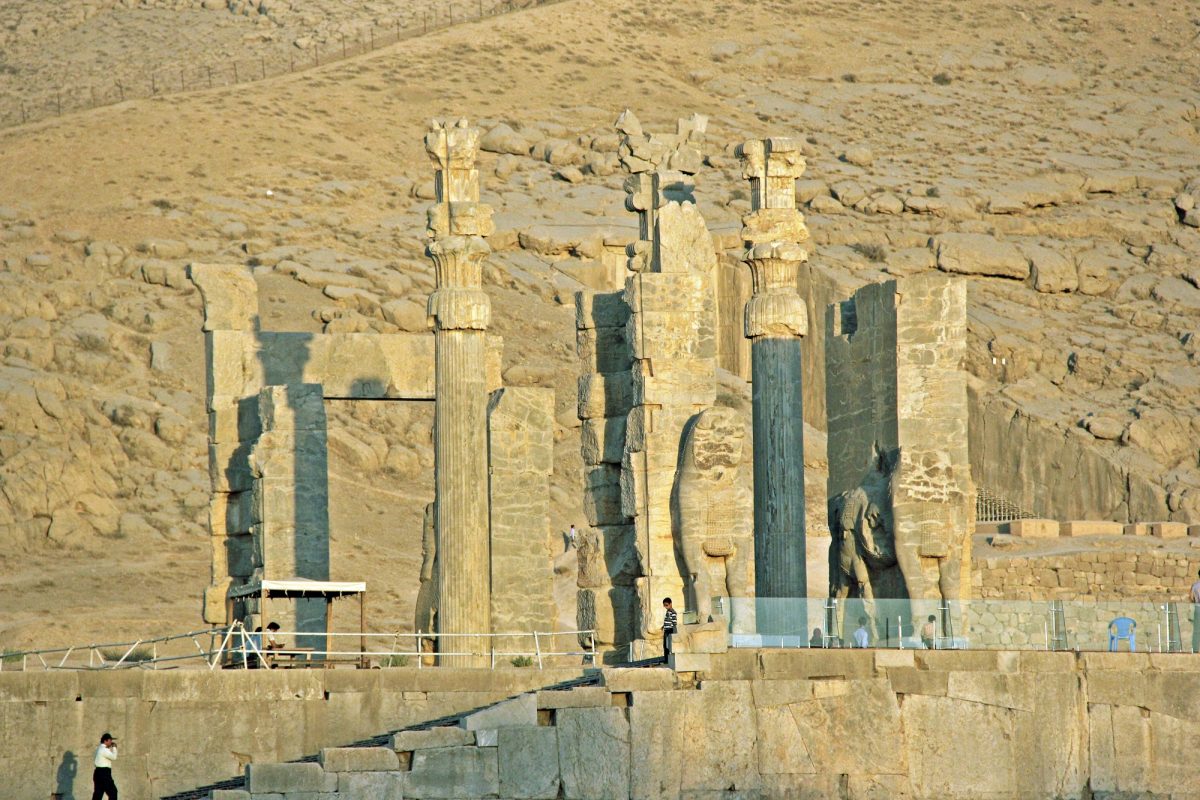
In Achaemenian era, while people traveling from Susa to Persepolis or Pasargadae; they had to go through Shiraz.
In Sassanian era, Shiraz was between Bishapur and Gur (today’s Firooz Abad), the two Sassanian capital cities.
Istakhr, the most famous city in Fars province found its higher prominence long time before Shiraz. It stood against Arab invaders in 7th century. Once conquered and devastated by Arabs, Shiraz reputation began to grow and continued under several rulers and historical eras. Several local dynasties ruled there such as Buwahids, Seljuks and Kharazmshahids before the Mongols’ invasion.
During Ilkhanids and Timurids, when Chengiz Khan and Timur attacked Iran, Shiraz managed to escape destruction.
In the 13th century, Shiraz became a leading center of the arts and letters, thanks to the encouragement of its ruler and the presence of many Persian scholars and artists. For this reason the city was named by classical geographers Dar al-Elm, the House of Knowledge. Among the important Iranian poets, mystics and philosophers born in Shiraz were the poets Sa'di and Hafiz the mystic Roozbehan and the philosopher Mulla Sadra.
Like other places in the world, Shiraz had a lot of ups and downs afterward. The population grew as it was a safe place to live in the rise, while the inhabitants left the city inorder to save themselves in the time of war and attack.
A prosperous time for Shiraz after several disturbances was the time when Karim Khan-e Zand came to power and declared Shiraz his capital. He built royal buildings such as citadel, bath, mosque, bazaar etc… that are still the most valuable parts of Shiraz.
Although after him, Shiraz lost its power and turned into a provincial capital city and Agha Mohammad Khan established Qajar dynasty and destroyed part of the city to take revenge from the Zand rulers, the city maintained its prosperity.