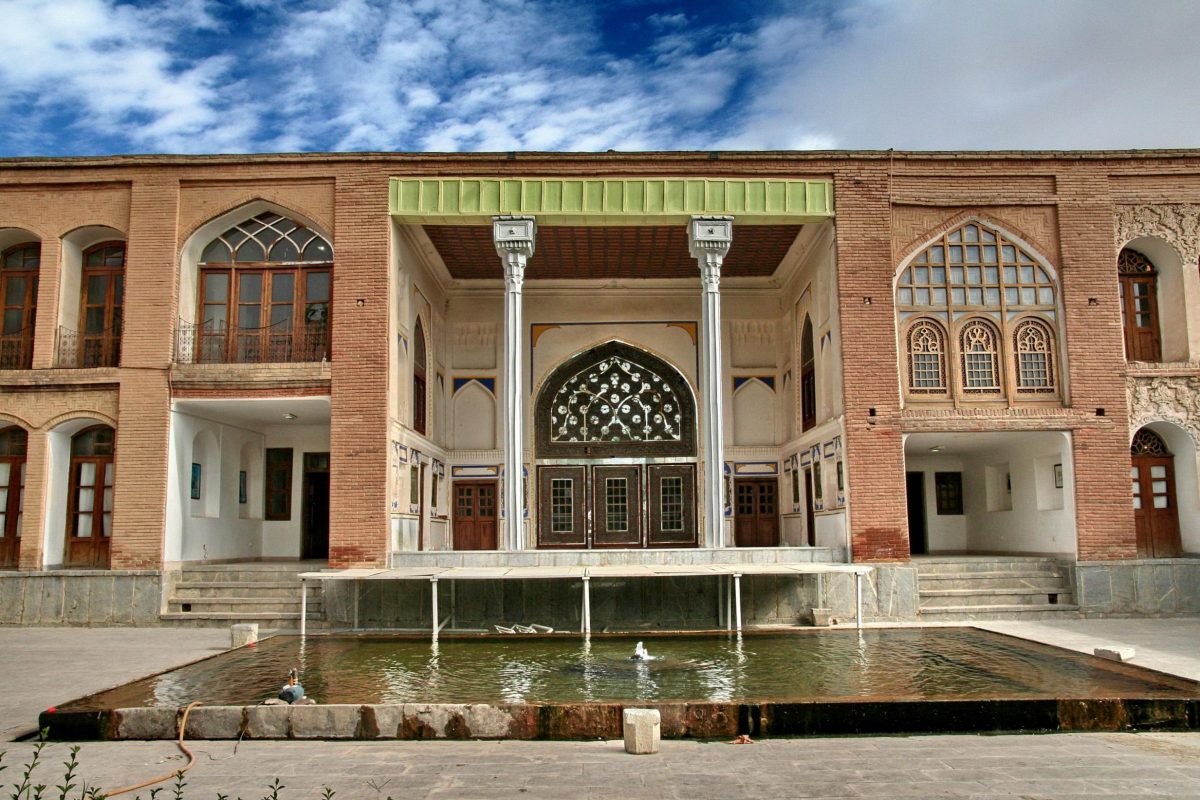
Archeologists believe Sanandaj history date back to the fourth millennia BC and are 6,000 years old. Several Iron Age cemeteries have been found around the city which have yielded evidence of fetal burials and other unique funerary rites along with artifacts from (1200 -800 BC).
Hassanabad Fortress, located 5 kilometers outside of Sanandaj, has been identified as a Parthian (247 BC–224 CE) and Sassanid (226-651 CE) structure which is believed to be the center of command and an important Persian stronghold during the Roman-Persian wars (92 BC – 629 CE).
Based on historical accounts and its mentions in Aryan heroic legends, this ancient city known as Senna was most likely a sacred Zoroastrian site which was devastated in an earthquake and fell into ruin after the Mongol invasion of the 13th century. For four centuries, this city along with the rest of Kurdistan was controlled by Ardalan Vassals (1169–1867), who traced their lineage back to the Sassanids.
Today's Sanandaj was founded in the 17th century during the Safavid era upon the order of Shah Safi (1611 –1642) who moved the center of the province from Palangan to Sinne-Dij fortress. He built a series of houses, a mosque, a public bath and a bazaar around this new fortress. Over time and through repetition the name Sinne-Dij became Sanandaj.
Sanandaj has been known as a cultural capital for the whole Kurdistan region even beyond the Iranian borders. Its music and dance are very strong elements of the Kurdish culture and have been maintained over many centuries within the society. Many Kurdish music celebrities like are from this region, like: Ali Asghar Kurdistan, Nasser Razazi, Mazhar Khaleghi and the Kamkars. People in Sanandaj also enjoy their own variations of Kurdish dance with specific gestures which gives a unique flavour to this happy folkloric dance.