Zanjan Bazaar: Zanjan Bazaar is located in the old texture of the city and is considered as the longest bazaar in Iran that has expanded towards the west and east. Zanjan bazaar is divided into two parts: upper bazaar and lower bazaar. Historical records show construction of the bazaar began during the reign of Agha Mohammad Khan (1742-1797) and was completed during the reign of Fath Ali Shah Qajar (1772–1834), which was expanded during later periods to include several caravanserais, bathhouses and mosques.
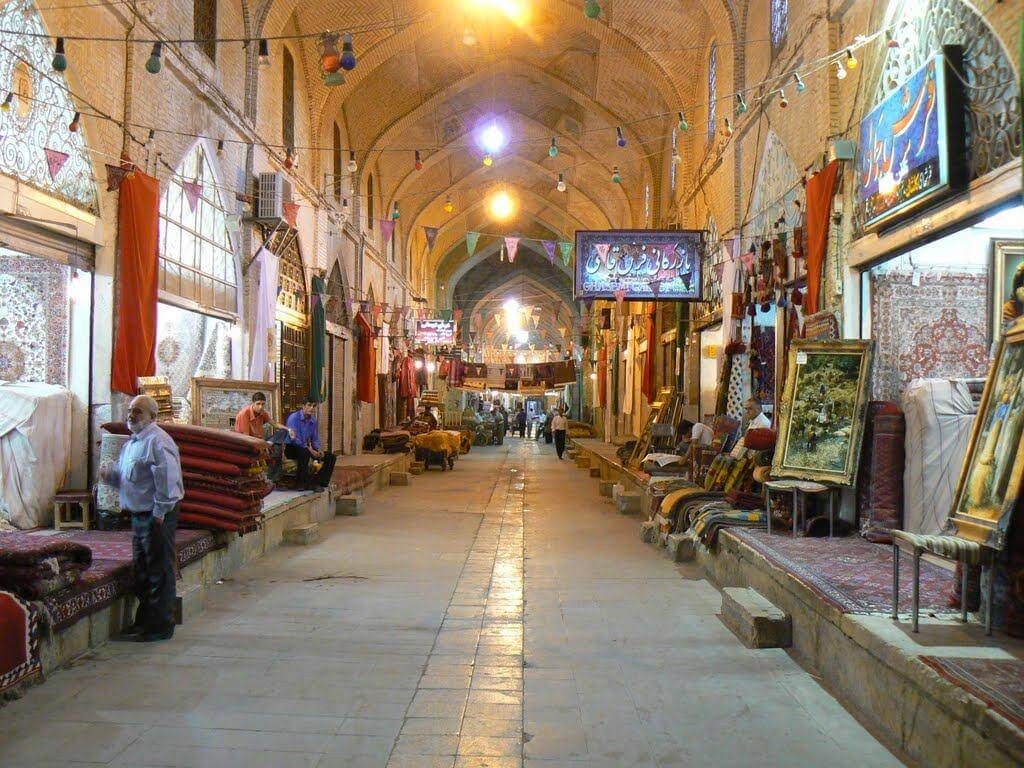
Zanjan Bazaar
Rakhtshooy Khaneh: The washing hall in Rakhtshooy Khaneh has an interesting design as there are many calotes with 5 holes on each, holes which are used to let the enough light into the Rakhtshooy Khaneh. Similar holes also exist in the walls. A lot of stone water ponds have been provided, and a specific canal takes away the used water.
Since 1998 the complex has changed into an anthropological museum, in which traditional costumes, jewelry and some old appliances are on display making it the most important museum in Zanjan.
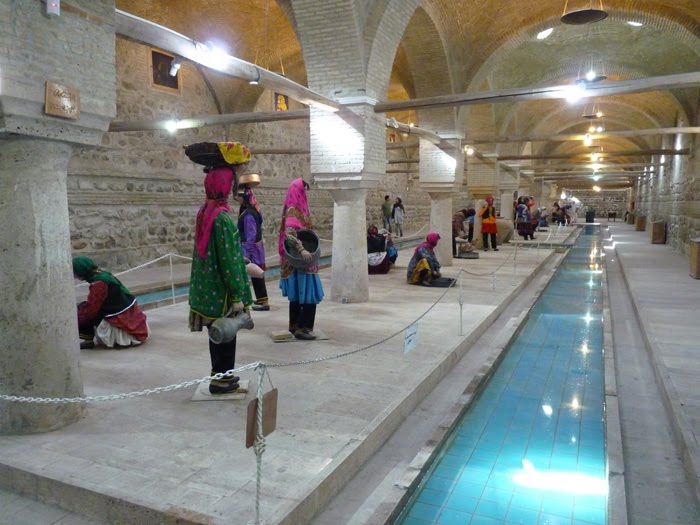
Rakhtshooy Khaneh, by MohammadMahdi Azad
Dashkasan Temple: Dashkasan or the Dragon Temple is located 10 kilometers southeast of Soltaniyeh near Veir Village. Dashkasan consists of three deep, manmade caves that have exquisite stone carvings.
There are alters decorated with floral and arabesque motifs as well as stone Muqarnas decorations on either side of these carvings.
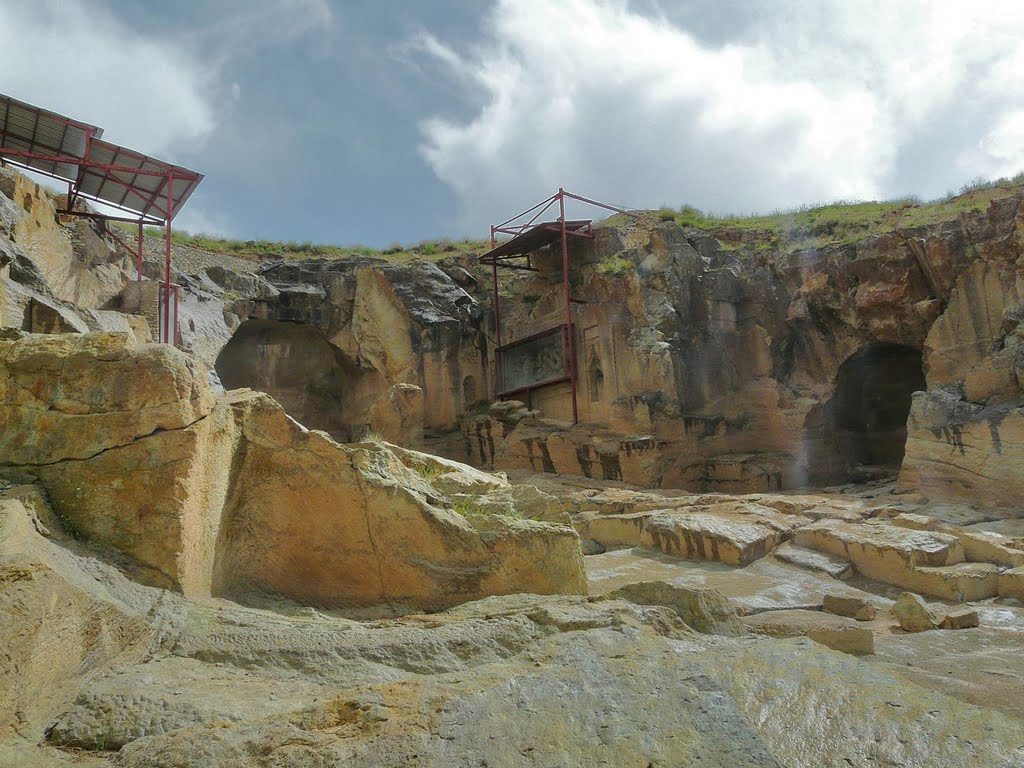
Dashkasan Temple, by Javad Aleali
Behestan Castle: Behestan Castle or the “Demon’s Throne” is a Sassanid era (226-651 CE) structure that was still in use well into the Islamic Period.
The castle consists of three sections: rooms, corridors and stairways. The upper parts of the castle had defensive purposes and the lower parts were used to store food for its inhabitants. The stairway on the western and eastern side of the castle, which originated from the southern wing of the structure, can no longer be used due to extensive damage to the lower levels caused by the passage of time.
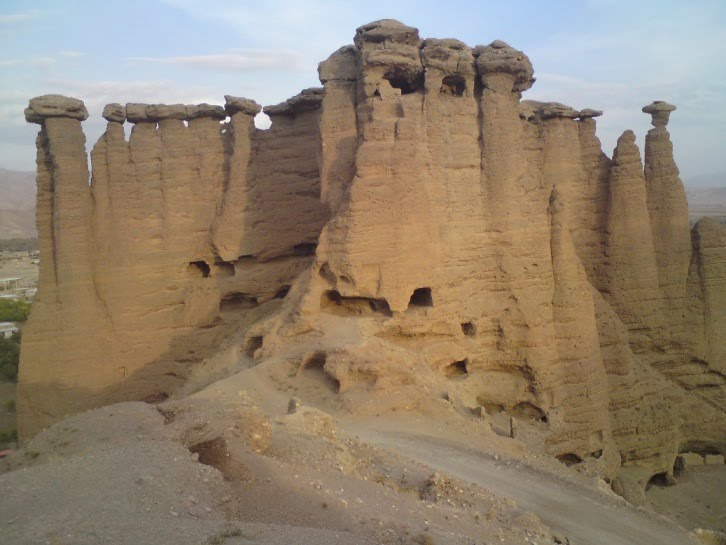
Behestan Castle, by M. Asgari
Mir Baha-Ol-Din Bridge: IT is the oldest and largest standing bridge on the Zanjan River which was built in the Qajar era (1785-1925) by a merchant of the same name.
This brick bridge is 100 meters long and 7 meters wide. The highest point of the bridge is 11 meters from the water. The bridge has a large middle arch with two smaller arches on either side.
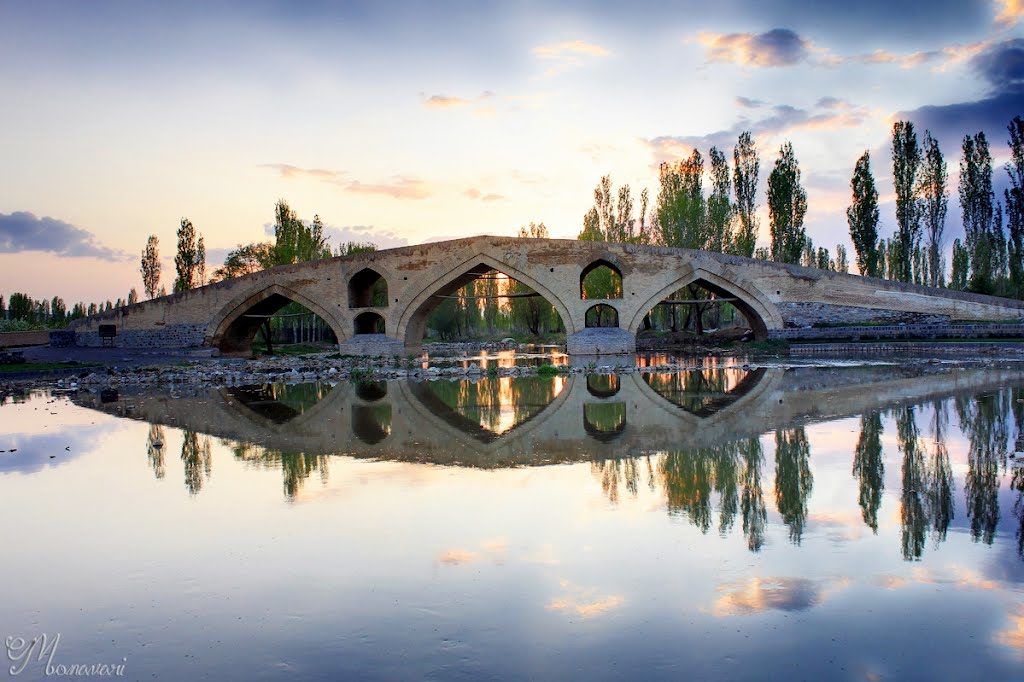
Mir Baha-Eldin Bridge, by Monavari