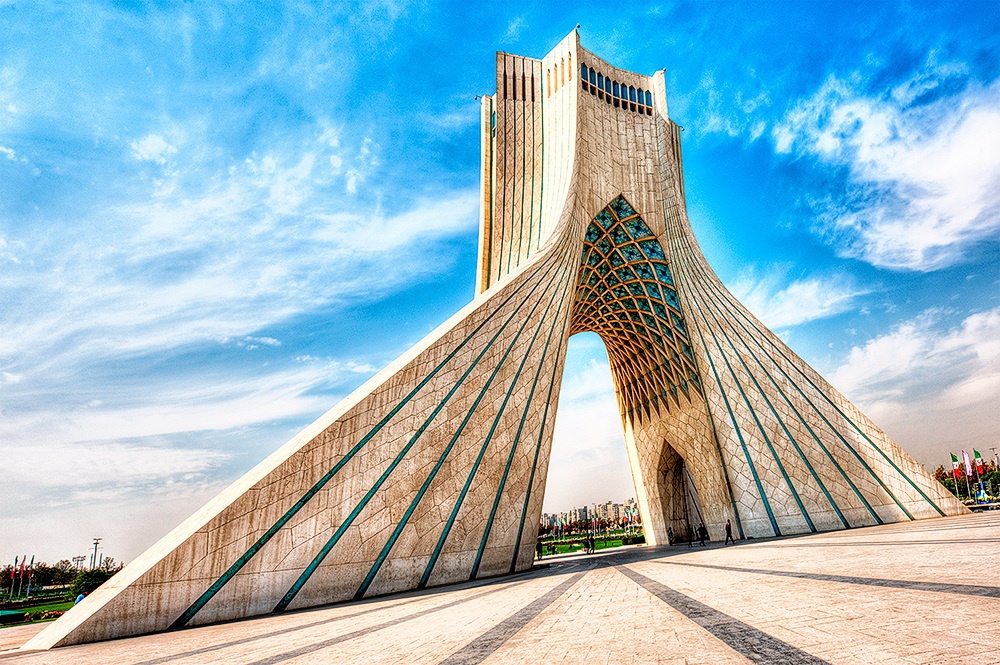
Although the Tehran is the meeting point of many ethnic and linguistic groups, it is dominated by the Persian culture and language. Within this framework, traditional arts such as calligraphy and music have seen a revival, with many educational institutions and galleries involved.
On the other hand; Persian cuisine which is characterized by the use of lime and saffron, the blend of meats with fruits and nuts, a unique way of cooking rice, and Iranian hospitality are well-known.
Foods are subtly spiced, delicate in flavor and appearance, and not typically hot or spicy. Many recipes date back to ancient times; Iran’s historical contacts have assisted in the exchange of ingredients, flavors, textures, and styles with various cultures ranging from the Mediterranean Sea region to China, some of whom retain these influences today.
A number of major museums of Tehran specialize in a range of themes:
- The National Museum of Iran specializes in ancient Iranian heritage
- The Carpet Museum of Iran displays masterpieces of this national craft
- The Tehran Museum of Contemporary Art holds works from a number of major international artists.
Moreover; Tehran plays an important role in the arts. The Tehran Symphony Orchestra has performed both at home and for international audiences abroad, and the Fajr International Theater Festival is held annually in Tehran and other main cities of Iran.
Iran’s film industry, based in Tehran, has been internationally recognized for its new realist school of cinema and its award-winning films, too. Just recently; Iranian Oscar-winning director Asghar Farhadi and actor Shahab Hosseini have won the rewards for the best screenplay and the best actor at Cannes 2016 respectively.
Tehran has a very fascinating history of turning from a small village into a metropolitan area populated by millions of people. Tehran was well known as a village in the 9th century,where start flourishing nearby in the pre Mongol era. In the 13th century, following the destruction of Rages by Mongols, many of its inhabitants fled to Tehran. In some sources of the Mongol era the city is mentioned as "Rages's Tehran". Tehran became a residence of the arjun rulers in the 17th century. Tahmasp I built a bazaar and a wall around the city, but it somewhat fell out of favor after Shah Abbas I turned sick when he was passing the city to go to a war with the Uzbeks.
In the early 18th century, Karim Khan Zand ordered a palace, a harem, and a government office to be built in Tehran, possibly to declare the city his capital, but later moved his government to Shiraz. Tehran finally became the capital of Persia in 1795, when Agha Mohammad Khan was crowned in the city. It remains the capital to this day.